Best eSIM for Argentina and Brazil with Clear Cost Details
9/3/2026
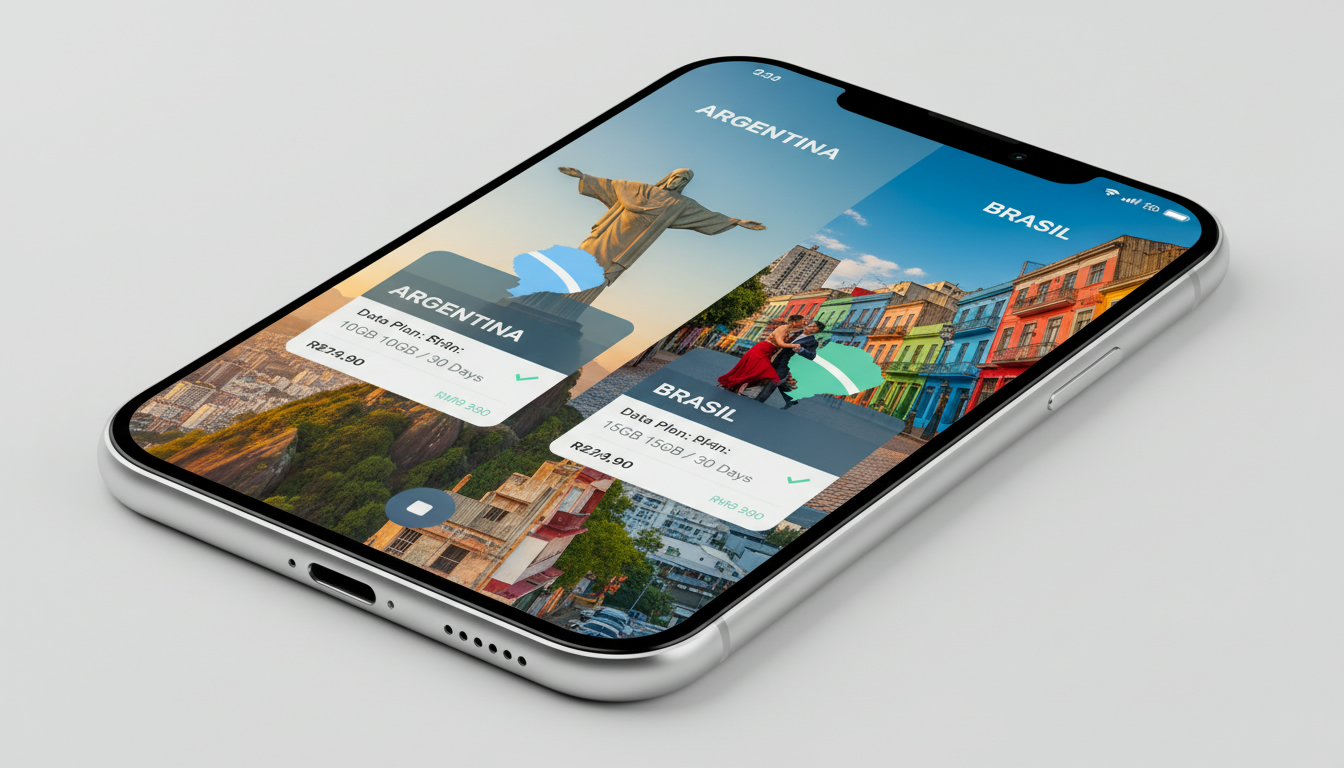
In short, what you'll discover in this article: The most cost-effective eSIM data plans for Argentina and Brazil tailored to travelers’ budgets. We break down what’s included in each plan, extra fees to watch for, and clear recommendations for hassle-free connectivity during your South American trip.
1. Quick Summary and Verdict — The Best Choice by Profile
Choosing the best eSIM for Argentina and Brazil depends largely on your travel style and budget. For tourists seeking affordable, short-term data, budget-friendly plans with transparent pricing are key.
Digital nomads need reliable, mid-range plans with good coverage and speed. Expats or long-term visitors benefit from larger data packages with flexible validity.
1.1 Verdict in One Sentence for Tourists, Remote Workers, and Expats
- Tourists: Opt for affordable eSIMs offering small data bundles with clear pricing and no hidden fees.
- Remote workers: Choose mid-tier plans balancing data volume, speed, and customer support.
- Expats: Invest in larger, longer-validity packages that provide consistent coverage across both countries.
2. Why Choose an eSIM in Argentina and Brazil?
2.1 Advantages: Simplicity, Instant Activation, Multi-Country Use
The best eSIM plans for Argentina and Brazil offer instant activation without the need to swap physical SIM cards. This convenience is ideal for travelers who want seamless connectivity upon arrival.
Many providers cover both countries under one plan, simplifying management and often reducing costs compared to roaming fees.
2.2 Limitations and When a Physical SIM Might Be Preferable
Despite their benefits, eSIMs may not suit everyone. Some older devices lack compatibility, and certain rural areas in Argentina or Brazil might have limited eSIM coverage compared to local physical SIMs.
If you plan extended stays in remote regions or require emergency access without internet setup delays, a physical SIM card could be more reliable.
3. Compatibility and Preparation Before Departure
3.1 Compatible Devices (iPhone, Android, Others) and IMEI Verification
Before purchasing an eSIM, confirm your device supports eSIM technology—most recent iPhones and many Android models do. Also, check your device’s IMEI number as some providers require it during activation to prevent fraud or ensure network compatibility.
3.2 Dual-SIM and Managing Multiple Lines
Many travelers use dual-SIM phones allowing simultaneous use of a physical SIM and an eSIM line. This setup helps keep your home number active while using local data plans affordably in Argentina and Brazil.
4. Selection Criteria for an eSIM in Argentina & Brazil
4.1 Coverage and Partner Networks
The eSIM coverage in Argentina and Brazil varies by provider partnerships with local carriers. Prioritize providers with strong ties to major networks like Claro or Movistar for reliable service across urban and suburban areas.
4.2 Price, Validity, Price per GB, and Recharge Policies
Focus on transparent pricing structures: check the total cost of the plan including taxes or activation fees. Compare price per GB relative to validity periods to find the best value for your budget.
Also review recharge options—some providers allow easy top-ups via apps without extra charges.
4.3 Speed, Latency, Customer Support, and Refund Policies
Fast data speeds are essential especially if you work remotely or stream content while traveling. Evaluate providers based on average speeds reported by users in South America.
Responsive customer support can save you time resolving issues abroad. Lastly, understand refund policies if the plan doesn’t meet expectations or if activation fails.
5. Top Recommended eSIMs According to Usage
5.1 Best for Short Stays/Tourism
For short trips focusing on affordability:
- Look for small data packages (around 3 GB) valid for about a week or two.
- Providers like eSIM.dog offer very low-cost options starting near $1 per day.
- These plans usually include all standard charges upfront with no hidden fees.
5.2 Best for Remote Work/Digital Nomads
For digital nomads needing steady connectivity:
- Mid-range plans offering moderate data volumes over longer validity periods (15–30 days).
- Providers such as Orange Travel combine good coverage with competitive prices.
- Check if customer support is available in English or your preferred language.
5.3 Best for Long Stays/Expats
For extended stays requiring large data packages:
- Choose plans with higher data limits or unlimited options where available.
- Ensure flexible recharge policies to avoid service interruptions.
- Consider providers known for stable connections across both countries.
5.4 Best Multi-Country Option (Argentina + Brazil Pack)
If you want one plan covering both countries seamlessly:
- Select providers offering combined regional packs.
- This avoids switching plans mid-trip or paying roaming fees.
- Confirm that pricing includes all standard charges without surprise surcharges.
6. Detailed Comparison — Coverage, Price, Data, Validity, Activation
While exact prices vary by provider and plan specifics, travelers should consult trusted sources like MyBestSim to compare current offers tailored to Argentina and Brazil travel needs.
7. How to Buy and Activate an eSIM (Step-by-Step Guide)
7.1 Activation on iPhone (Steps & Screenshots)
- Purchase your chosen eSIM plan online before departure.
- Receive a QR code via email or app.
- On your iPhone: Settings > Cellular > Add Cellular Plan.
- Scan the QR code; follow prompts to activate.
- Set the eSIM as your primary data line if desired.
7.2 Activation on Android (Steps & Screenshots)
- Buy the eSIM plan through the provider’s app or website.
- Obtain the QR code or activation code.
- Go to Settings > Network & Internet > Mobile Network > Advanced > Carrier > Add Carrier.
- Scan the QR code or enter activation details manually.
- Confirm activation; select preferred SIM line for data usage.
7.3 Troubleshooting Common Activation Issues
If activation fails:
- Verify device compatibility and IMEI registration.
- Ensure internet access during setup (Wi-Fi recommended).
- Restart your device after scanning the QR code.
- Contact provider support promptly if problems persist.
8. Field Tests and User Feedback (If Available)
8.1 Average Speed and Stability by City/Region
User reports generally highlight good speeds in major cities like Buenos Aires and São Paulo but note occasional slower connections in rural areas.
8.2 User Reviews and Reliability Ratings
Travelers praise providers offering transparent pricing without hidden fees as the most reliable choice when visiting Argentina and Brazil.
9. Practical Travel Tips
9.1 Optimizing Data Consumption
To stretch your budget:
- Use Wi-Fi whenever possible.
- Disable background app refreshes.
- Monitor daily usage via provider apps.
9.2 When to Keep Your Original SIM vs Fully Switch to eSIM
Keep your home SIM active if expecting calls or SMS from home contacts; switch fully only if you rely solely on local data services abroad.
10. Regulations, Security, and Administrative Advice
10.1 Required Identification, Local Restrictions & Security Recommendations
Some providers require ID verification during purchase due to local regulations in Argentina and Brazil—prepare a valid passport scan beforehand to avoid delays.
11. Conclusion and Final Recommendation
Choosing the best esim for Argentina and Brazil hinges on balancing budget with coverage needs:
- For short visits: low-cost small data packs from providers like eSIM.dog offer excellent value.
- For remote work: mid-tier plans from Orange Travel provide reliable speed at fair prices.
- For long stays: seek larger packages with flexible recharge options ensuring uninterrupted service.
Before buying, always verify device compatibility and read user reviews from trusted sources such as MyBestSim to avoid surprises during your trip.
Ready to stay connected effortlessly? Explore current offers now at esim-hongkong.com — also helpful if you’re considering other destinations like Turkmenistan or Iraq during your travels!
FAQ
How do I activate an eSIM on my iPhone for Argentina?
To activate an eSIM on your iPhone, purchase the plan online, receive a QR code, then go to Settings > Cellular > Add Cellular Plan. Scan the QR code and follow prompts to activate. You can set the eSIM as your primary data line if desired.
Which eSIM providers offer the best coverage in Brazil and Argentina?
Providers partnered with major local carriers like Claro and Movistar offer the most reliable coverage across urban and suburban areas in both countries. Choosing such providers ensures better network stability and faster data speeds.
Are eSIMs compatible with all smartphones for South America travel?
Most recent iPhones and many Android models support eSIM technology, but older devices might not. Always verify your device’s compatibility and IMEI requirements before purchasing an eSIM plan for Argentina and Brazil.
What are the advantages of using an eSIM over a physical SIM card?
eSIMs provide instant activation without swapping physical cards, support multi-country use under one plan, and simplify connectivity management. They help avoid roaming fees and offer convenience especially for travelers moving between Argentina and Brazil.
When should I consider using a physical SIM instead of an eSIM?
If your device lacks eSIM support or you plan extended stays in remote areas with limited eSIM coverage, a physical SIM might be more reliable. Also, physical SIMs can be preferable for emergency access without internet setup delays.

Emily Wong
Emily is a Hong Kong-based travel writer. At Hong Kong eSIM she compares CSL, 3 and SmarTone plans so visitors stay connected from the airport to Victoria Harbour.