Hong Kong China Weather Forecast and Current Updates 2026
8/20/2026
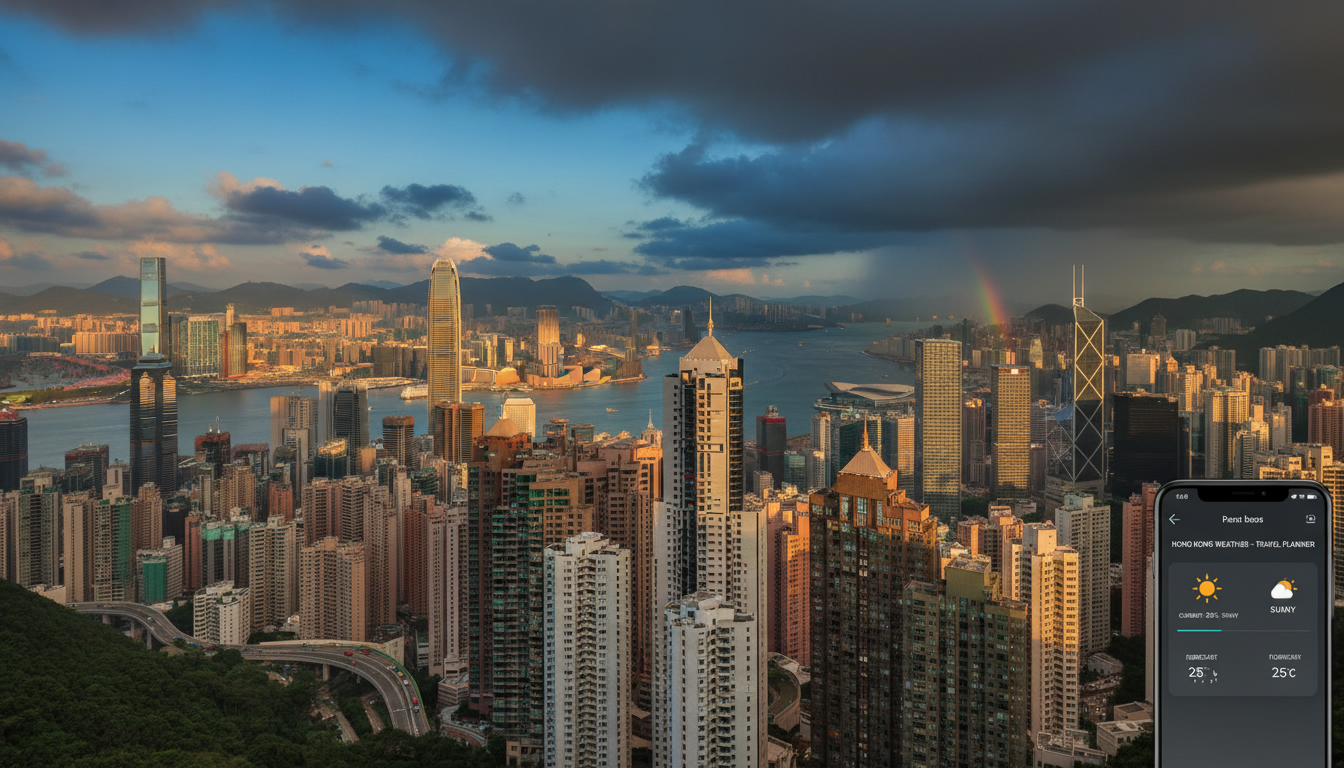
In short, what you'll discover in this article: Get a clear overview of the hong kong china weather with current conditions and forecasts. Learn about seasonal changes, local climate variations, and tips to prepare for your trip.
Stay informed to pack smart and enjoy outdoor activities without surprises.
1. Overview of Hong Kong's Climate
1.1 Quick Introduction: Climate Type and Average Annual Temperatures
Hong Kong features a humid subtropical climate characterized by hot, humid summers and mild winters. The average temperature ranges from about 15°C (59°F) in winter to 31°C (88°F) in summer.
This climate supports lush greenery but also brings seasonal rainfall patterns that travelers should consider when planning their visit.
1.2 Best Time to Visit (Summary by Traveler Profile)
- For beach lovers and outdoor activities: Autumn (September to November) offers pleasant temperatures and lower humidity.
- For budget travelers: Winter months (December to February) provide cooler weather and fewer tourists.
- For those avoiding rain: Spring (March to May) has moderate rainfall but is generally comfortable.
- For adventure seekers: Summer includes typhoon season, which can be thrilling but requires caution.
2. Seasonal Details
2.1 Spring (March–May): Temperatures, Rainfall, and Tips
Spring in Hong Kong brings mild temperatures averaging between 17°C and 26°C (63°F–79°F). Rainfall gradually increases during this period, with occasional showers.
Humidity levels start rising but remain manageable. Light layers and an umbrella are recommended for comfort during outdoor sightseeing.
2.2 Summer (June–August): Heat, Humidity, Typhoon Season, Safety Tips
Summer is the hottest season with temperatures often exceeding 30°C (86°F), accompanied by high humidity levels that can make it feel warmer. This period coincides with the Hong Kong typhoon season, bringing heavy rain and strong winds from June through August.
Travelers should monitor weather updates closely and plan indoor alternatives for outdoor activities.
2.3 Autumn (September–November): Ideal Weather, Festivals, Outdoor Activities
Autumn is widely regarded as the best time to visit Hong Kong due to cooler temperatures averaging 19°C to 28°C (66°F–82°F), lower humidity, and minimal rainfall. This season hosts vibrant festivals like the Mid-Autumn Festival, making it perfect for cultural exploration and outdoor adventures.
2.4 Winter (December–February): Temperatures, Rainfall, Recommended Clothing
Winter offers mild weather with temperatures ranging from 14°C to 20°C (57°F–68°F). Rainfall is relatively low but occasional cold fronts can bring cooler days.
Packing layers such as sweaters and light jackets is advisable for comfort during evenings or windy days.
3. Local Variations and Microclimates
3.1 Comparing Hong Kong Island vs Kowloon vs New Territories vs Islands
- Hong Kong Island: Generally warmer with urban heat effects; coastal breezes moderate temperatures.
- Kowloon: Slightly hotter due to dense urbanization; less breeze.
- New Territories: Cooler and greener with more variable weather due to elevation.
- Outlying Islands: More exposed to sea breezes; weather can change rapidly.
Understanding these microclimates helps travelers choose suitable accommodation and plan daily activities accordingly.
4. Notable Weather Phenomena
4.1 Typhoons: Season, Intensity, Forecasts, and Safety Measures
Typhoon season peaks between July and September but can extend from June through October. These storms bring intense winds and heavy rain that may disrupt travel plans. It’s crucial to follow local forecasts from trusted sources like the Hong Kong Observatory for timely warnings and safety advice.
4.2 Humidity and Perceived Temperature
Humidity in Hong Kong often exceeds 80% in summer months, significantly increasing the perceived temperature or heat index. This can affect comfort levels during outdoor activities, so staying hydrated and taking breaks indoors is recommended.
4.3 Air Quality, Haze, and Smog — Impact on Outdoor Activities
Occasional haze or smog from industrial pollution or regional sources can reduce air quality in Hong Kong, especially during winter months when atmospheric conditions trap pollutants near the surface. Travelers sensitive to air quality should monitor daily air quality indexes before planning strenuous outdoor excursions.
5. Forecasts and Practical Resources
5.1 Where to Find Reliable Forecasts (Local Services, Apps, Alert Numbers)
For up-to-date hong kong china weather forecasts including daily updates and radar images, trusted sources include:
- The Hong Kong Observatory
- AccuWeather’s Hong Kong forecast
- The BBC Weather page for Hong Kong provides concise daily summaries.
Downloading local weather apps or setting up alerts ensures you stay informed about sudden changes like thunderstorms or typhoons.
5.2 Travel Checklist by Season (Clothing, Gear, Insurance)
- Spring: Light jackets, umbrella, comfortable shoes.
- Summer: Breathable clothing, sun protection, rain gear.
- Autumn: Layers for cool evenings, sunscreen.
- Winter: Sweaters/jackets; check travel insurance for weather disruptions during typhoon season.
Additionally, consider purchasing a local eSIM plan before arrival for seamless internet access to check live weather updates on the go; see our detailed guide on how to get an eSIM in Hong Kong.
6. Conclusion
Understanding the hong kong china weather is essential for a smooth trip experience. By knowing seasonal patterns, local variations, and where to find reliable forecasts, you can pack smartly and plan your activities confidently.
For uninterrupted connectivity during your stay—especially important for real-time weather updates—explore top eSIM options on esim-hongkong.com before you travel.
FAQ
What is the best season to visit Hong Kong?
Autumn, from September to November, is the best season to visit Hong Kong due to cooler temperatures, lower humidity, and minimal rainfall. This period also features popular festivals and ideal conditions for outdoor activities.
How does typhoon season affect travel in Hong Kong?
Typhoon season runs from June to October, peaking between July and September. It brings heavy rain and strong winds that can disrupt travel plans. Travelers should monitor local forecasts and have indoor alternatives ready during this period.
What clothing should I pack for a winter trip to Hong Kong?
For winter visits, pack layers such as sweaters and light jackets. Temperatures range from 14°C to 20°C (57°F–68°F), and occasional cold fronts may bring cooler days, so layering ensures comfort during evenings or windy conditions.
How does humidity impact outdoor activities in Hong Kong?
Humidity often exceeds 80% in summer, increasing the perceived temperature and making outdoor activities feel hotter. Staying hydrated and taking breaks indoors are important to maintain comfort and avoid heat-related issues.
Where can I find reliable weather forecasts for Hong Kong?
Trusted sources for Hong Kong weather include the Hong Kong Observatory website, AccuWeather’s Hong Kong forecast, and BBC Weather. Using local weather apps and setting alerts helps travelers stay updated on sudden changes like storms or typhoons.

Emily Wong
Emily is a Hong Kong-based travel writer. At Hong Kong eSIM she compares CSL, 3 and SmarTone plans so visitors stay connected from the airport to Victoria Harbour.