Understanding Hong Kong Chinese Culture and Community in 2026
8/14/2026
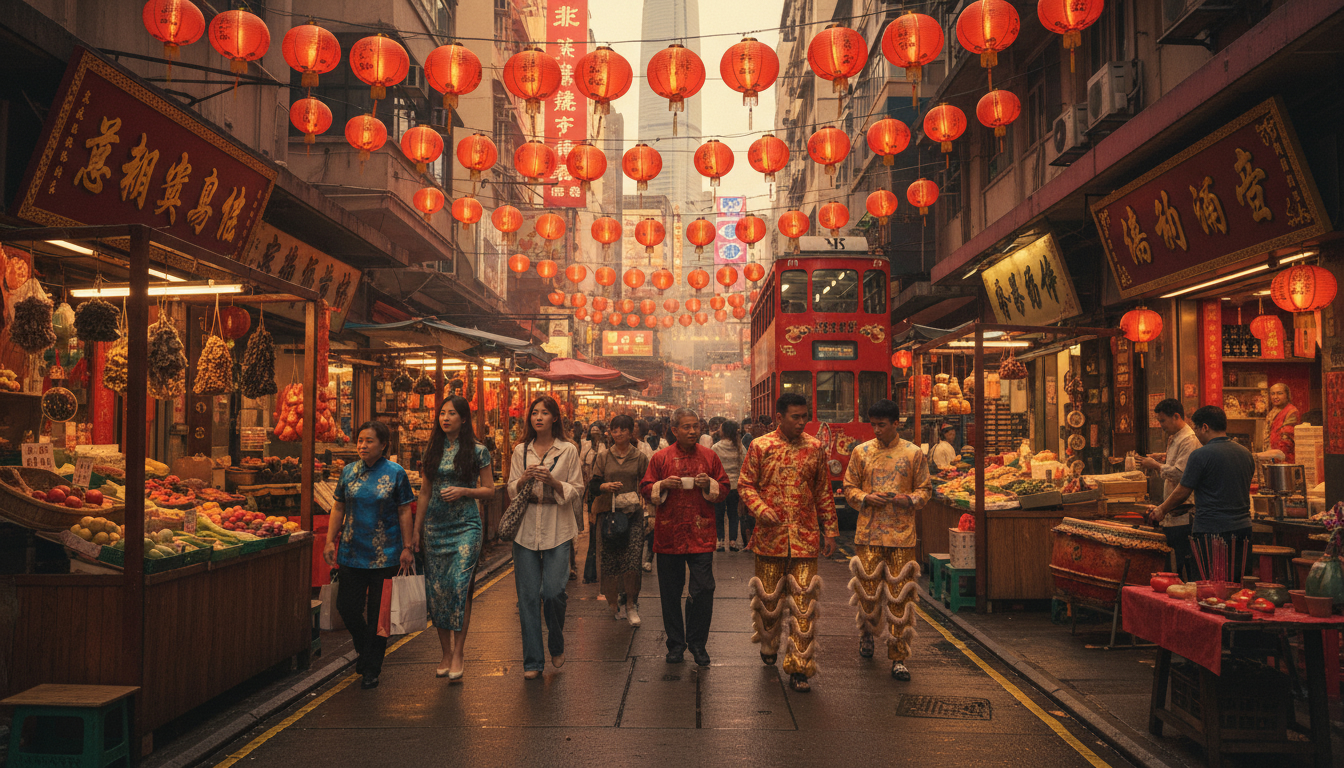
In short, what you'll discover in this article: Explore the unique aspects of the Hong Kong Chinese culture, language, and traditions. Learn about the Cantonese dialect, iconic cuisine, vibrant festivals, and how these elements shape everyday life in Hong Kong.
Prepare for your trip with cultural insights that enhance your connection with locals.
1. Understanding Hong Kong Chinese: Culture and Language
Hong Kong Chinese refers to the people and cultural identity rooted in Hong Kong, a bustling special administrative region on China’s southern coast. Unlike other parts of China, Hong Kong has developed a distinct cultural and linguistic profile shaped by its history as a British colony and its position as a global financial hub.
The Hong Kong Chinese culture blends traditional Chinese values with modern influences, creating a dynamic society where East meets West. The Hong Kong Chinese language primarily features Cantonese, which differs significantly from Mandarin spoken in mainland China.
This linguistic distinction is key to understanding local communication and social interaction.
2. Historical and Cultural Context
2.1 Origins of Hong Kong Chinese Identity
The roots of the Hong Kong Chinese community trace back to Cantonese-speaking migrants from Guangdong province. Over centuries, this group established a unique identity influenced by trade, colonial administration, and migration patterns.
2.2 Evolution Within Hong Kong
Hong Kong’s transformation into a global city introduced Western customs alongside traditional Chinese practices. This evolution fostered a hybrid culture visible in architecture, education, and social norms.
2.3 Influence of Cantonese and Mandarin
While Mandarin is China’s official language, Cantonese remains the dominant spoken language in Hong Kong. The Hong Kong Chinese language environment is predominantly Cantonese, with its own vocabulary, pronunciation, and romanization systems that differ from Mandarin.
3. Linguistic Features of Hong Kong Chinese
3.1 Cantonese Versus Mandarin
Cantonese is tonal with nine tones compared to Mandarin’s four tones, making it more complex in pronunciation. It also preserves many classical Chinese expressions no longer common in Mandarin.
3.2 Vocabulary Specific to Hong Kong
The vocabulary includes loanwords from English due to historical British influence, especially in business and technology sectors.
3.3 Pronunciation and Romanization Systems
Hong Kong uses the Yale romanization system for Cantonese more commonly than Pinyin used for Mandarin. This affects how names and places are spelled in English.
4. Cuisine and Culinary Traditions
4.1 Iconic Dishes of Hong Kong Chinese Cuisine
The Hong Kong Chinese cuisine is famous for dim sum, roast goose, wonton noodles, and seafood delicacies that reflect both Cantonese culinary heritage and international influences.
4.2 Renowned Restaurants
A Hong Kong Chinese restaurant like Lung King Heen or Luk Yu Tea House offers authentic dining experiences celebrated worldwide for quality and tradition.
4.3 Street Food and Markets
Street markets brim with snacks such as egg waffles and fish balls that showcase the vibrant food culture accessible to locals and tourists alike.
5. Social Life and Traditions
5.1 Festivals Celebrated by Hong Kong Chinese Communities
Traditional festivals like Lunar New Year, Mid-Autumn Festival, and the Dragon Boat Festival are celebrated with colorful parades, lion dances, and family gatherings.
5.2 Family Customs
Respect for elders and ancestor worship remain central to Hong Kong Chinese traditions, reflecting Confucian values deeply embedded in social life.
5.3 Religious Practices
Buddhism, Taoism, and folk religions coexist alongside Christianity in Hong Kong’s diverse religious landscape.
6. Economy and Diaspora Influence
6.1 Economic Role of the Hong Kong Chinese Population
The Hong Kong Chinese population plays a vital role in finance, trade, and entrepreneurship that drives the region’s prosperity.
6.2 Diaspora Networks
Strong overseas communities maintain cultural ties through associations promoting heritage preservation abroad.
6.3 Entrepreneurship Trends
Many local businesses reflect innovative blends of traditional values with modern market demands.
7. Contemporary Issues Facing Hong Kong Chinese Identity
7.1 Cultural Identity Today
Amid political changes, many residents emphasize preserving their unique Hong Kong Chinese heritage while navigating integration with mainland China.
7.2 Political Impact on Culture
Recent events have influenced public expressions of identity and cultural autonomy within the region.
7.3 Modern Trends Among Younger Generations
Younger Hong Kongers often blend global trends with local customs, creating evolving cultural expressions.
8. Resources for Further Exploration
8.1 Recommended Readings on Hong Kong Culture
Books on Cantonese language learning or histories of Hong Kong provide deeper insights into its rich culture.
8.2 Official Websites for Cultural Events
Tourism sites offer calendars of Hong Kong Chinese festivals and practical travel advice.
8.3 Where to Learn More About Language and Cuisine
Local cooking classes or language schools can enhance your understanding before visiting.
9. Conclusion
Understanding the Hong Kong Chinese culture and language enriches your travel experience by connecting you more deeply with locals’ traditions and daily life. Whether exploring bustling markets or attending vibrant festivals, this knowledge prepares you for meaningful interactions during your visit to this unique city.
For travelers planning their trip, consider checking out guides on how to stay connected seamlessly with an eSIM in Hong Kong to enjoy uninterrupted access to information about local culture and events while on the go.
FAQ
What makes Hong Kong Chinese culture unique?
Hong Kong Chinese culture uniquely blends traditional Chinese values with Western influences due to its colonial history and global city status. This fusion shapes its language, festivals, cuisine, and social customs, creating a vibrant and dynamic cultural identity distinct from mainland China.
How does Cantonese differ from Mandarin in Hong Kong?
Cantonese in Hong Kong has nine tones compared to Mandarin’s four, making pronunciation more complex. It also uses different vocabulary and romanization systems like Yale, reflecting local history and British influence, which distinguishes it from the Mandarin spoken in mainland China.
What are some iconic dishes in Hong Kong Chinese cuisine?
Hong Kong Chinese cuisine features famous dishes like dim sum, roast goose, wonton noodles, and fresh seafood. These dishes highlight Cantonese culinary traditions combined with international flavors, often enjoyed at renowned restaurants or lively street markets.
Which festivals are important to Hong Kong Chinese communities?
Key festivals include Lunar New Year, Mid-Autumn Festival, and Dragon Boat Festival. These events feature traditional activities such as lion dances, family gatherings, and colorful parades that celebrate heritage and strengthen community bonds.
How can travelers connect better with locals in Hong Kong?
Travelers can enhance connections by learning basic Cantonese phrases, understanding local customs like respect for elders, and participating in cultural events. Using tools like an eSIM for seamless internet access also helps stay informed about festivals and local happenings.

Emily Wong
Emily is a Hong Kong-based travel writer. At Hong Kong eSIM she compares CSL, 3 and SmarTone plans so visitors stay connected from the airport to Victoria Harbour.