Is Hong Kong a Part of China? Understanding Its Status in 2026
8/13/2026
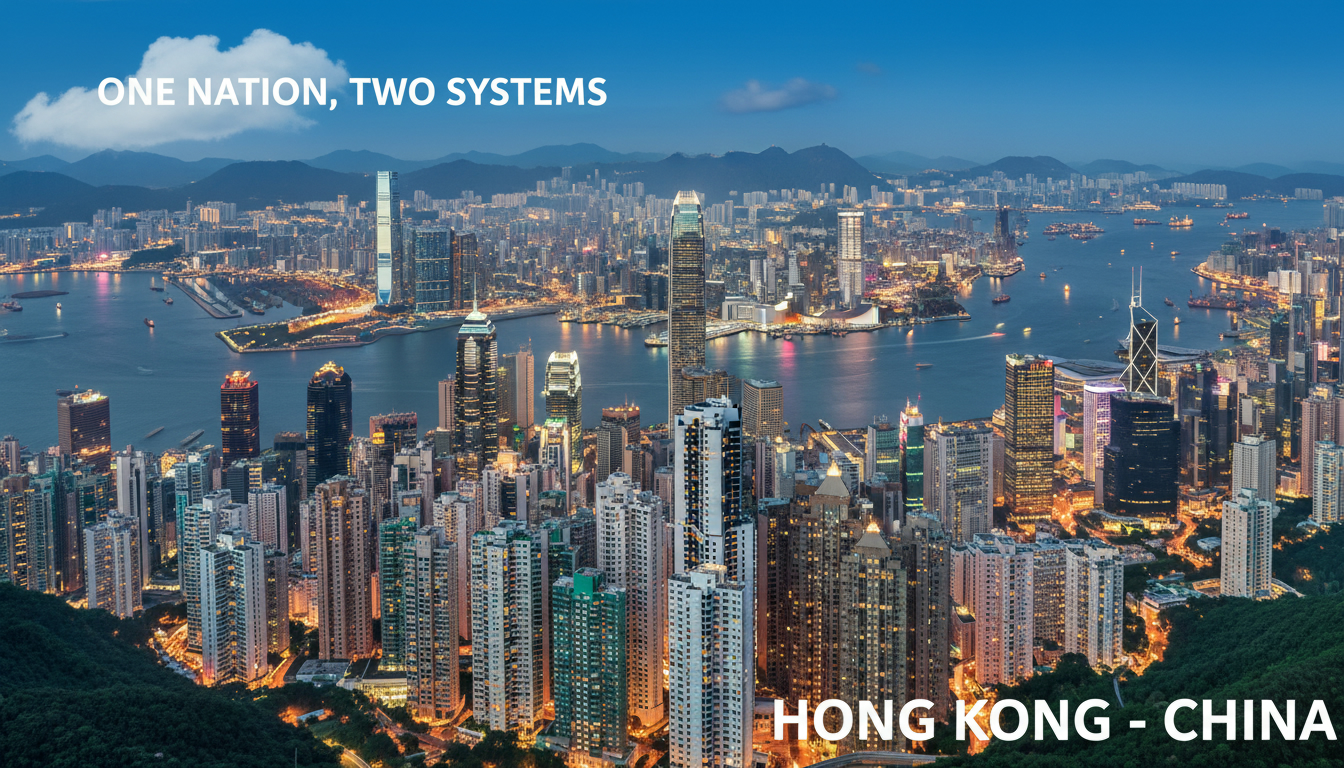
In short, what you'll discover in this article: A clear and concise explanation of whether Hong Kong is a part of China, its unique political status, historical background, and how its autonomy works under Chinese sovereignty. Perfect for understanding the facts before joining any discussion.
1. Is Hong Kong a Part of China? — A Direct Answer
Hong Kong is officially a part of China as a Special Administrative Region (SAR). It is not an independent country but enjoys a high degree of autonomy under Chinese sovereignty.
This status is clearly stated in the Basic Law of Hong Kong, which affirms that Hong Kong is an inalienable part of the People’s Republic of China.
This means while Hong Kong governs many of its own affairs, it remains under the ultimate sovereignty of China.
2. Political Status of Hong Kong
2.1 Special Administrative Region — Definition and Implications
Hong Kong’s designation as a Special Administrative Region means it operates under a different system than mainland China. This status was established after the 1997 handover from British to Chinese rule.
The SAR status allows Hong Kong to maintain its own legal, economic, and administrative systems for 50 years after the handover.
In practice, this means:
- Hong Kong has its own legal system based on common law.
- It controls its own immigration policies.
- It issues its own currency, the Hong Kong dollar.
- It manages education and public services independently.
2.2 Sovereignty vs Autonomy: What This Means in Practice
While China holds sovereignty over Hong Kong, the region enjoys a high degree of autonomy. The Chinese government is responsible for defense and foreign affairs, but Hong Kong runs most internal matters independently.
This unique arrangement is often summarized as “One Country, Two Systems,” which aims to preserve Hong Kong’s distinct way of life while recognizing it as part of China.
3. Essential Historical Background
3.1 British Colonial Period
Hong Kong was a British colony from 1842 until 1997. During this time, it developed a separate legal and economic system from mainland China.
The colonial period shaped much of Hong Kong’s identity as an international financial center with a common law legal framework.
3.2 The 1997 Handover and Associated Agreements
On July 1, 1997, sovereignty over Hong Kong was transferred from Britain to China under the Sino-British Joint Declaration. This treaty guaranteed that Hong Kong would retain its capitalist system and way of life for at least 50 years after the handover.
The Basic Law was enacted as Hong Kong’s mini-constitution to enshrine these protections legally.
4. The “One Country, Two Systems” Principle
4.1 Local vs National Jurisdiction Areas
Under this principle:
- Local jurisdiction: Hong Kong controls its own judiciary, monetary system, immigration policies, and civil liberties.
- National jurisdiction: China manages defense, foreign affairs, and constitutional matters.
This division allows Hong Kong to operate differently from mainland China while remaining part of the same country.
4.2 Concrete Examples: Justice, Education, Currency, Immigration
- Justice: Hong Kong uses an independent judiciary based on British common law.
- Education: Schools follow curricula distinct from mainland China.
- Currency: The Hong Kong dollar circulates separately from the Chinese yuan.
- Immigration: Visitors need different visas for Hong Kong than for mainland China.
5. Practical Differences Between Hong Kong and Mainland China
5.1 Legal and Judicial System
Hong Kong’s legal system is independent and transparent with protections for freedoms such as speech and assembly that differ significantly from mainland China's legal framework.
5.2 Currency, Language, and Daily Life
Hong Kong uses the Hong Kong dollar (HKD), whereas mainland China uses the yuan (CNY). Cantonese is widely spoken in Hong Kong alongside English; Mandarin predominates in mainland China.
Daily life in Hong Kong reflects more Western influences due to its history and international connections.
5.3 Travel Rules and Visas
Travelers must obtain separate visas or permits to enter Hong Kong versus mainland China. This reflects their distinct immigration controls despite being part of one country.
6. Recent Developments and Controversies
6.1 National Security Law and Its Consequences
In recent years, Beijing introduced a National Security Law in Hong Kong aimed at curbing dissent but criticized internationally for reducing freedoms promised under “One Country, Two Systems.” This law has altered some aspects of autonomy by increasing central government influence.
6.2 Impact on Freedoms and International Relations
The new security measures have affected civil liberties such as freedom of speech and assembly in Hong Kong. These changes have also influenced how other countries view their diplomatic and economic relations with both Hong Kong and China.
7. Conclusion: What Should Readers Remember?
Hong Kong is unquestionably part of China but enjoys a special status allowing significant self-governance under the “One Country, Two Systems” framework. Understanding this balance between sovereignty and autonomy is key when discussing its political status.
Whether you’re a tourist planning your trip or a professional engaging in conversations about Hong Kong’s unique position, knowing these facts will help you navigate discussions confidently.
For travelers interested in staying connected while visiting this dynamic region, exploring options like eSIM data plans can be very helpful. You can find detailed guides on how to get an eSIM in Hong Kong or compare the best eSIM plans at esim-hongkong.com to ensure seamless connectivity during your stay.
For more detailed insights into connectivity options during your visit or stay in Hong Kong, check out these helpful resources on the best eSIM plans for Hong Kong or learn about how to get an eSIM in Hong Kong.
References:
The official Basic Law confirms that “The Hong Kong Special Administrative Region is an inalienable part of the People’s Republic of China” (Wikipedia - Hong Kong).
FAQ
Is Hong Kong an independent country from China?
No, Hong Kong is not an independent country. It is a Special Administrative Region of China, meaning it is part of China but has a high degree of autonomy in many areas under Chinese sovereignty.
What does Hong Kong's Special Administrative Region status mean?
Being a Special Administrative Region allows Hong Kong to maintain its own legal, economic, and administrative systems separate from mainland China for 50 years after 1997, while China controls defense and foreign affairs.
How does the 'One Country, Two Systems' principle work in Hong Kong?
'One Country, Two Systems' means Hong Kong operates under a different legal and economic system than mainland China, managing internal matters independently while China retains sovereignty over defense and foreign relations.
What are the main differences between Hong Kong and mainland China?
Hong Kong has its own currency, legal system based on common law, immigration policies, and uses Cantonese and English widely, whereas mainland China uses the yuan, Mandarin, and a different legal framework.
How has the National Security Law affected Hong Kong's autonomy?
The National Security Law introduced by Beijing has increased central government influence in Hong Kong, leading to concerns about reduced freedoms and changes in civil liberties promised under the 'One Country, Two Systems' arrangement.

Emily Wong
Emily is a Hong Kong-based travel writer. At Hong Kong eSIM she compares CSL, 3 and SmarTone plans so visitors stay connected from the airport to Victoria Harbour.