Is Hong Kong Part of China? Understanding Its Political Status
8/16/2026
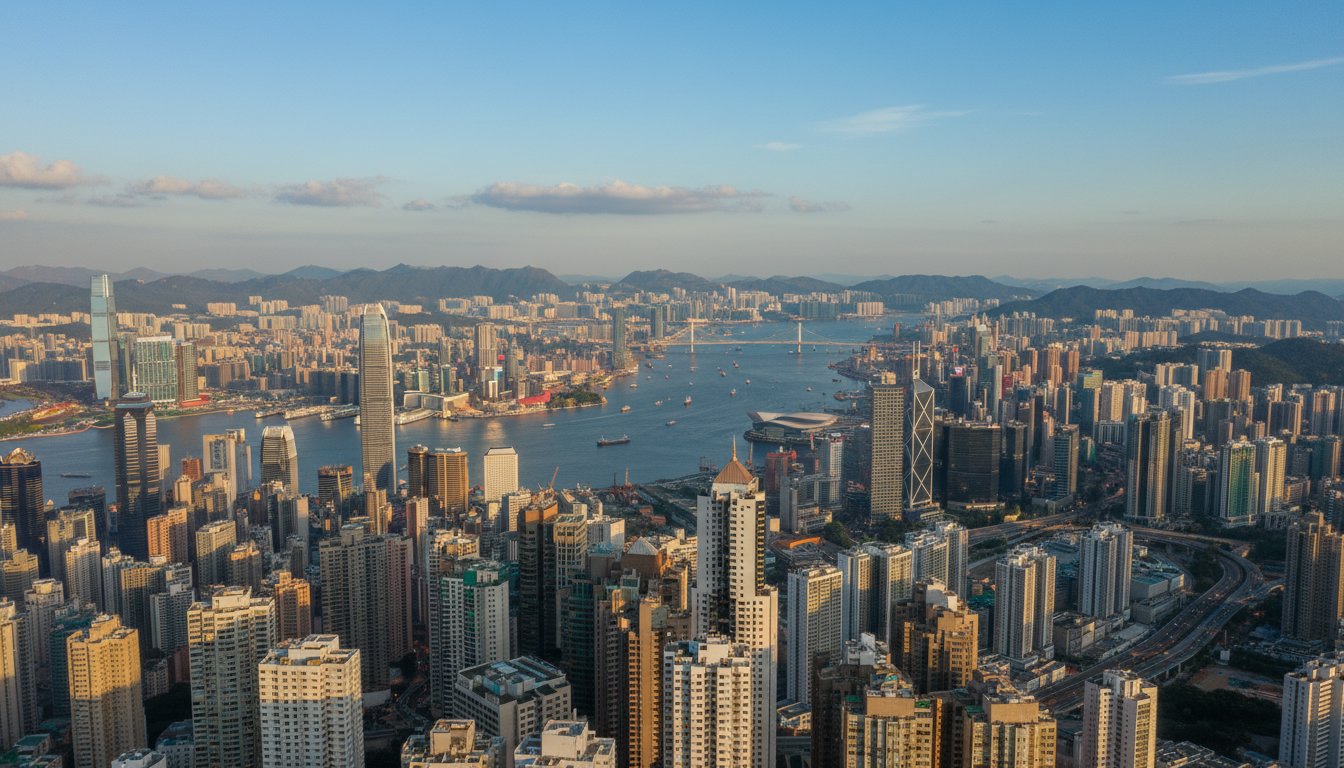
In short, what you'll discover in this article: A clear explanation of whether Hong Kong is part of China, including its historical background, legal status, recent changes, and practical implications. Understand the one country, two systems principle and how it shapes Hong Kong's unique position today.
1. Is Hong Kong Part of China? A Clear Summary
Hong Kong is officially part of China as a Special Administrative Region (SAR). This status means that while Hong Kong belongs to the People's Republic of China (PRC), it enjoys a high degree of autonomy in many areas except foreign affairs and defense.
The phrase hong kong is part of china reflects this constitutional reality under the Basic Law, which serves as Hong Kong’s mini-constitution.
Despite this, Hong Kong maintains separate legal, economic, and political systems from mainland China under the one country, two systems framework. This arrangement allows Hong Kong to operate with considerable independence but within the sovereignty of China.
2. Historical Context
2.1 Brief History: British Colonization and the 1997 Handover
Hong Kong was a British colony from 1842 until 1997 following the First Opium War. The territory expanded through several treaties and leases, becoming a major global financial center under British rule.
In 1984, the Sino-British Joint Declaration was signed, agreeing that Hong Kong would return to Chinese sovereignty on July 1, 1997. This agreement established the one country, two systems principle to preserve Hong Kong’s capitalist system and way of life for 50 years after the handover.
2.2 Why This Status Matters Today
The unique status of Hong Kong is crucial because it balances Chinese sovereignty with local autonomy. It has allowed Hong Kong to remain an international business hub with freedoms not found in mainland China.
However, recent political developments have raised questions about how this balance is maintained.
3. Legal and Constitutional Status
3.1 The Principle of One Country, Two Systems
The one country, two systems policy means that Hong Kong is part of one China but retains its own legal and economic systems separate from those of mainland China. This principle was designed to ensure continuity in Hong Kong’s way of life while acknowledging Chinese sovereignty.
3.2 The Basic Law: Role and Scope
Hong Kong’s Basic Law is its constitutional document enacted by China’s National People’s Congress in 1990. It outlines Hong Kong’s governance structure, rights, and freedoms while affirming that Hong Kong is an inalienable part of China.
Key points include:
- Hong Kong has executive, legislative, and judicial powers independent from mainland China.
- Foreign affairs and defense are managed by Beijing.
- The Basic Law guarantees rights such as freedom of speech and assembly within Hong Kong.
3.3 Sovereignty vs Autonomy: Key Differences
Sovereignty refers to China’s ultimate authority over Hong Kong as part of its territory. Autonomy means that Hong Kong governs itself in most internal matters under its own legal system.
This distinction explains why Hong Kong can have different laws, currency (Hong Kong dollar), immigration controls, and even separate passports for residents compared to mainland China.
4. Recent Developments and Their Implications
4.1 Major Legislative Changes: National Security Law and Key Dates
In June 2020, Beijing imposed a National Security Law on Hong Kong aimed at preventing secession, subversion, terrorism, and collusion with foreign forces. This law marked a significant shift by allowing mainland authorities greater influence over Hong Kong’s legal system.
Important dates:
- July 1, 1997 – Handover from Britain to China.
- June 30, 2020 – National Security Law enacted.
- Subsequent electoral reforms have further aligned Hong Kong’s governance with Beijing’s directives.
4.2 Impact on Freedoms, Judiciary, and Governance
The National Security Law has led to concerns about reduced freedoms in speech and assembly. Some activists have been arrested under this law.
The judiciary now faces increased pressure balancing local autonomy with Beijing’s authority.
Governance reforms have also changed how lawmakers are elected to ensure “patriots” govern Hong Kong, affecting the political landscape significantly.
5. Practical Consequences for Residents and Visitors
5.1 Nationality, Passports, and Residency Rights
Hong Kong residents hold a unique status: they are Chinese nationals but can have different passports such as the Hong Kong SAR passport or British National (Overseas) passport for travel purposes.
Residency rights remain protected under the Basic Law; however, immigration policies are distinct from mainland China’s controls.
5.2 Borders, Immigration Controls, and Visas
Hong Kong maintains its own border controls separate from mainland China despite being one country. Visitors must pass through immigration checkpoints when traveling between the two regions.
This separation allows different visa policies for tourists and business travelers entering Hong Kong versus mainland China.
5.3 Effects on Economy, Business, and Investment
Hong Kong continues as a major financial center with its own currency and market regulations distinct from mainland China’s system.
However, investors watch closely how political changes might affect business freedoms or regulatory environments going forward.
6. International Perceptions and Debates
6.1 Positions of Foreign Governments
Countries like the United Kingdom, United States, and European Union have expressed concerns over Beijing's increasing control over Hong Kong's autonomy post-2020 National Security Law.
These governments often emphasize support for human rights and democratic processes in Hong Kong while recognizing it as part of China legally.
6.2 Local Reactions and Social Movements
Within Hong Kong itself, public opinion varies widely:
- Some support closer integration with mainland China.
- Others advocate for greater democratic freedoms or even independence.
- Protests in recent years highlighted tensions around governance changes but have since decreased due to legal restrictions.
7. Additional Resources on Connectivity in Hong Kong
For travelers or residents interested in staying connected during their time in this vibrant city while navigating its unique status within China:
- Learn how to get an eSIM in Hong Kong for seamless mobile data access.
- Compare plans with our guide on the best eSIM options in Hong Kong.
- Discover top data plans tailored for visitors on eSIM Hong Kong.
These resources help you stay online without roaming fees whether you’re exploring Victoria Harbour or attending business meetings.
8. Conclusion
Hong Kong is undeniably part of China under the one country, two systems framework established by international agreement and enshrined in the Basic Law. While it enjoys significant autonomy in many areas including its legal system and economy, recent legislative changes reflect Beijing's growing influence over the region's governance.
Understanding this balance helps clarify ongoing debates about hong kong is part of china politically and practically today. For anyone visiting or living there, staying informed about both political context and connectivity options like eSIMs enhances your experience in this dynamic city.
Hong Kong - Wikipedia provides detailed background information on this topic for further reading.
FAQ
Is Hong Kong officially part of China today?
Yes, Hong Kong is officially a Special Administrative Region of China. It belongs to China but retains a high degree of autonomy under the Basic Law, except in foreign affairs and defense.
What does the one country, two systems principle mean?
This principle means Hong Kong is part of China but keeps separate legal and economic systems. It allows Hong Kong to maintain its own laws and freedoms while acknowledging Chinese sovereignty.
How did Hong Kong become part of China in 1997?
Hong Kong was a British colony until 1997 when sovereignty was transferred to China under the Sino-British Joint Declaration. This agreement established the one country, two systems framework for 50 years.
What impact did the 2020 National Security Law have on Hong Kong?
The National Security Law increased Beijing’s influence over Hong Kong’s legal system, leading to concerns about reduced freedoms and changes in governance to ensure loyalty to China.
Do Hong Kong residents have different passports than mainland Chinese?
Yes, Hong Kong residents hold Chinese nationality but can have distinct passports like the Hong Kong SAR passport or British National (Overseas) passport, reflecting their unique status.

Emily Wong
Emily is a Hong Kong-based travel writer. At Hong Kong eSIM she compares CSL, 3 and SmarTone plans so visitors stay connected from the airport to Victoria Harbour.