Is Hong Kong in China? Understanding the Political and Geographic Link
8/9/2026
In short, what you'll discover in this article:
Is Hong Kong in China? This article provides a clear and concise explanation of Hong Kong's political and geographical status, its unique governance system, border controls, and the impact on residents and travelers. Understand the complex relationship between Hong Kong and China without confusion.
1. Introduction — A Short Answer to "Is Hong Kong in China?"
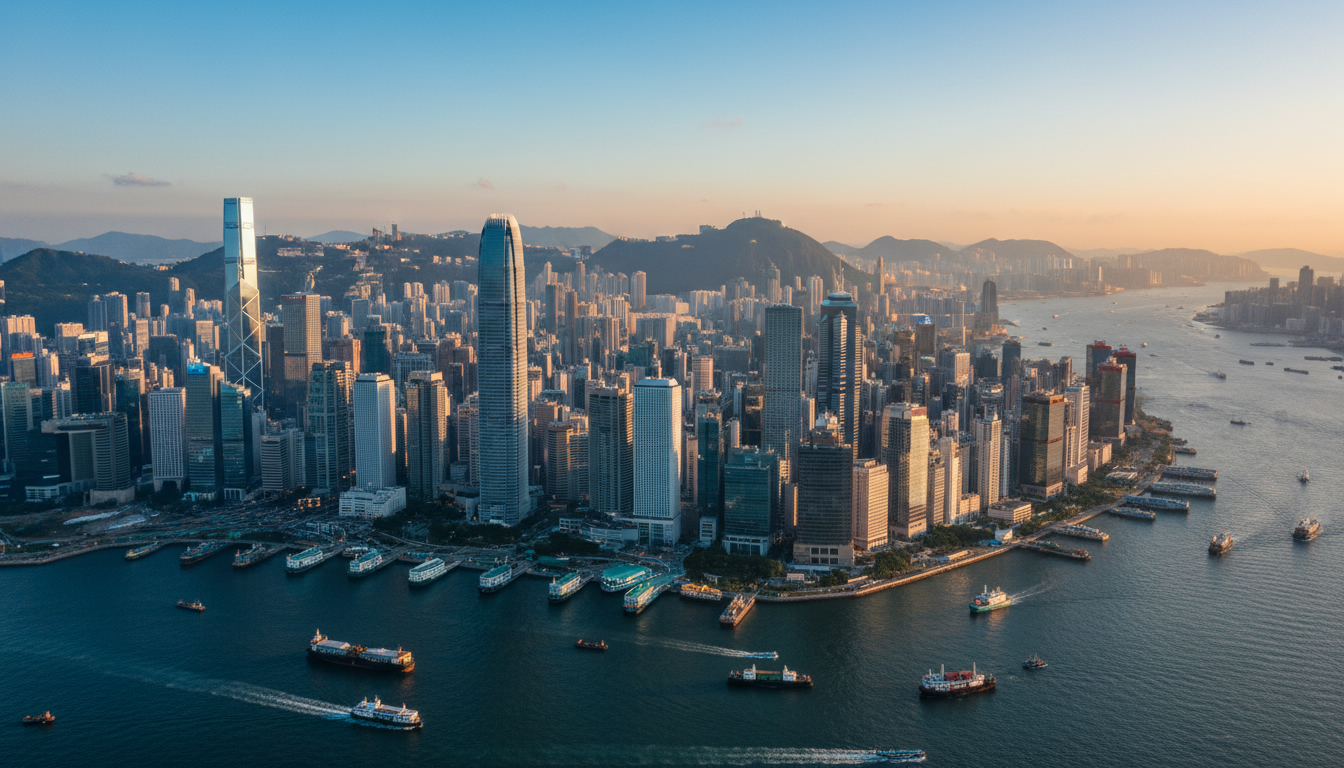
Hong Kong is officially part of China as a Special Administrative Region (SAR). It is not an independent country but enjoys a high degree of autonomy under the principle known as "One Country, Two Systems." Geographically, Hong Kong lies on the southern coast of China, just south of Shenzhen.
Politically and legally, it operates differently from mainland China in many respects, but sovereignty belongs to the People's Republic of China.
This unique status means that while Hong Kong is part of China, it maintains separate laws, borders, and economic systems. For travelers or residents wondering about visas, passports, or governance, this distinction is crucial to understand.
2. Political Status of Hong Kong
2.1 Historical Background: Colonization, Concession, and Handover (Until 1997)
Hong Kong was a British colony from 1842 following the First Opium War. Over time, Britain expanded its control through leases and concessions until 1997.
On July 1, 1997, sovereignty over Hong Kong was transferred back to China under an agreement between the UK and China. This event marked a major transition from colonial rule to Chinese sovereignty.
The handover was governed by the Sino-British Joint Declaration, which promised that Hong Kong would retain its capitalist system and way of life for 50 years after 1997. This historical context explains why Hong Kong operates differently from mainland China today.
2.2 The Principle "One Country, Two Systems" — Definition and Scope
The "One Country, Two Systems" framework allows Hong Kong to be part of one country—China—while preserving its own legal system, economic policies, and civil liberties distinct from those in mainland China. This principle grants Hong Kong:
- Its own currency (Hong Kong Dollar)
- Independent judiciary
- Separate immigration controls
- Freedom of speech and assembly (though evolving)
This arrangement aims to balance Chinese sovereignty with local autonomy but has been subject to political debate and tension in recent years.
2.3 What Does China's Sovereignty Over Hong Kong Mean?
China’s sovereignty means that Hong Kong is ultimately under Chinese rule and foreign affairs and defense are controlled by Beijing. However, day-to-day governance is largely autonomous within the SAR’s Basic Law—the mini-constitution for Hong Kong.
Sovereignty also means that Beijing can influence or intervene in Hong Kong’s political affairs if it sees fit. Recent developments have shown increased involvement by the central government in areas previously considered autonomous.
3. Governance and Legal System
3.1 Comparison of Legislative and Judicial Systems
Hong Kong has a separate legal system based on British common law, unlike mainland China's civil law system. Its courts operate independently with protections for rule of law and judicial review.
Legislatively, Hong Kong has its own Legislative Council (LegCo) responsible for making local laws. However, some laws require approval or interpretation by Beijing’s National People’s Congress Standing Committee.
3.2 Concrete Examples of Autonomy (Economy, Education, Police)
- Economy: Hong Kong maintains a free-market economy with its own tax system.
- Education: Schools follow curricula distinct from mainland China.
- Police: The Hong Kong Police Force operates independently but has faced criticism over recent political unrest.
This autonomy allows Hongkongers to live under different social norms than those on the mainland while still being part of China.
4. Borders, Immigration, and Travel
4.1 Border Controls, Visas, and Passports (Who Needs What)
Hong Kong has separate border controls from mainland China despite being part of the same country. Travelers must pass through immigration checkpoints when crossing between the two regions.
- Visitors from most countries need a visa or entry permit for mainland China.
- A separate visa or entry permit may be required for Hong Kong depending on nationality.
- Residents hold distinct passports: Hong Kong Special Administrative Region passports differ from Chinese passports issued on the mainland.
4.2 How to Travel Between Hong Kong and Mainland China — Practical Procedures
Travelers must clear customs at border crossings such as Lo Wu or Shenzhen Bay. Entry requirements vary depending on purpose (tourism, business) and nationality.
For those traveling to or from Hong Kong airport looking for seamless connectivity options upon arrival, check out our detailed guide on Hong Kong Airport connectivity.
5. Impact on Residents and Society
5.1 Civil Rights and Freedoms — Overview of Recent Changes
Hongkongers traditionally enjoyed freedoms not found in mainland China such as free press and protest rights. However, recent years have seen changes including new security laws that affect civil liberties.
These developments have sparked protests and international attention regarding the future of Hong Kong’s autonomy.
5.2 Identity: Statistics and Perceptions (Hongkongers vs Chinese)
Many residents identify strongly as "Hongkongers" rather than simply "Chinese," reflecting cultural differences shaped by history and governance.
Surveys show varied opinions about political identity but a shared desire among many for maintaining local rights within the framework of Chinese sovereignty.
6. Economic Consequences for Businesses
6.1 Access to Chinese Market, Banking, and Taxation
Hong Kong serves as a gateway for international businesses entering mainland China due to its open economy and financial infrastructure.
Companies benefit from:
- Access to Chinese markets with fewer restrictions
- A robust banking system separate from mainland controls
- Favorable tax policies compared to many other regions in Asia
This makes Hong Kong an important commercial hub despite political complexities.
7. Useful Comparisons
7.1 Hong Kong vs Macau: Similarities and Differences
Both are Special Administrative Regions under Chinese sovereignty but differ in:
- Size: Macau is smaller
- Economy: Macau relies heavily on gambling tourism; Hong Kong has a diversified economy
- Legal systems: Both maintain separate legal frameworks but with different historical influences
Understanding these differences helps clarify how SARs function within China’s structure.
Additional Resources for Travelers and Residents
For those interested in staying connected during their visit or stay in Hong Kong, exploring eSIM options can be very helpful. Our guides on how to get an eSIM in Hong Kong and best eSIM data plans provide practical advice on instant activation without roaming fees.
8. Conclusion
In summary, Hong Kong is part of China but enjoys a unique status as a Special Administrative Region with significant autonomy under "One Country, Two Systems." This arrangement affects governance, legal systems, borders, travel requirements, civil rights, identity perceptions, and economic opportunities.
For travelers or curious readers seeking clarity about this complex relationship, understanding these distinctions helps navigate news headlines or plan visits confidently.
To stay connected during your trip or move to Hong Kong without hassle or roaming fees, consider comparing eSIM providers through trusted platforms like MyBestSim for verified discount codes and instant activation options tailored for this region.
FAQ
Is Hong Kong officially part of China?
Yes, Hong Kong is officially a Special Administrative Region of China. It is under Chinese sovereignty but operates with a high degree of autonomy under the 'One Country, Two Systems' principle.
How does Hong Kong's legal system differ from mainland China?
Hong Kong uses a British common law system, independent from mainland China's civil law. It has its own courts and legal protections, maintaining judicial independence within the SAR framework.
Do travelers need separate visas for Hong Kong and mainland China?
Yes, Hong Kong and mainland China have separate border controls. Visitors often require distinct visas or entry permits for each region depending on nationality and travel purpose.
What does 'One Country, Two Systems' mean for Hong Kong?
'One Country, Two Systems' means Hong Kong is part of China but retains its own economic policies, legal system, and civil liberties, allowing it to function differently from mainland China.
How has Hong Kong's autonomy changed in recent years?
Recent years have seen increased Beijing involvement in Hong Kong’s political affairs and new security laws affecting civil liberties. These changes have sparked protests and international concern about the SAR’s future autonomy.

Emily Wong
Emily is a Hong Kong-based travel writer. At Hong Kong eSIM she compares CSL, 3 and SmarTone plans so visitors stay connected from the airport to Victoria Harbour.